


Introduction
The art of marksmanship has come a
long way since the earliest days of rifled weapons. Sniper rifles, the pinnacle
of precision shooting, have undergone significant evolution to become the
highly specialized tools used in military, law enforcement, and civilian
contexts today. This article explores the fascinating development of sniper
rifles, tracing their origins, technological advancements, and the impact they
have had on modern warfare and shooting sports.
The Early Beginnings of Sniper Rifles
Origins of Precision Shooting

The concept of precision shooting
dates back to the late 18th and early 19th centuries when the first rifled
barrels were introduced. Early rifles, such as the Pennsylvania rifle,
demonstrated the potential for greater accuracy compared to smoothbore muskets.
These early rifles were not yet true sniper rifles but laid the groundwork for
future developments in precision shooting.
The Advent of the Scoped Rifle
The introduction of the rifle scope
marked a significant milestone in the evolution of sniper rifles. In the
mid-19th century, scopes began to appear on rifles, enhancing the shooter's
ability to make accurate long-range shots. The scopes of this era were
relatively rudimentary compared to modern optics but represented a crucial step
forward in precision shooting.
World War I: The Birth of Modern Sniper Rifles
Military Innovation and Demand

World War I saw the emergence of
specialized sniper rifles designed for military use. During this conflict,
nations realized the tactical advantages of having sharpshooters who could
engage targets at long distances. Rifles such as the British Lee-Enfield Mk III
with a telescopic sight and the German Mauser Gewehr 98 became iconic examples
of sniper rifles from this era.
Technological Advancements
The early 20th century brought
improvements in rifle accuracy, including better barrel manufacturing
techniques and more refined optics. These advancements contributed to the
development of more effective sniper rifles and established the foundation for
future innovations.
World War II and the Rise of Specialized Sniper Rifles
Increased Emphasis on Precision
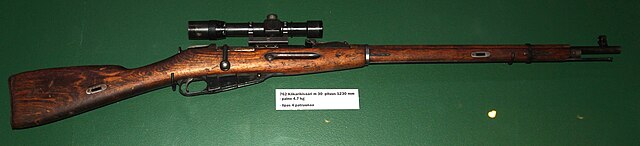
World War II further advanced the
development of sniper rifles, as both the Allies and Axis powers invested in
specialized weaponry for their marksmen. The war saw the introduction of rifles
like the Soviet Mosin-Nagant M91/30 with PU scope and the American M1903
Springfield with the M1903A4 sniper variant. These rifles featured improved
optics and were designed to enhance the accuracy and effectiveness of snipers
on the battlefield.
Post-War Innovations
The post-war period saw continued
innovation in sniper rifle design. The introduction of new materials, such as synthetic
stocks and improved barrel rifling, contributed to the development of more
accurate and durable rifles. The 1960s and 1970s saw the emergence of iconic
sniper rifles like the Remington 700, which became a standard issue for
military and law enforcement snipers.
Modern Sniper Rifles: Precision and Versatility
Technological Advancements

Today's sniper rifles represent the
pinnacle of precision engineering. Modern rifles, such as the Barrett M82 and
the Accuracy International AW series, incorporate advanced materials, modular
designs, and cutting-edge optics. These rifles are designed to be highly
versatile, capable of engaging targets at extreme distances with exceptional
accuracy.
Customization and Adaptability
One of the key features of modern
sniper rifles is their adaptability to different mission requirements.
Customization options allow snipers to configure their rifles with various
optics, barrels, and accessories to suit specific needs. This flexibility
enhances the effectiveness of sniper rifles in a wide range of scenarios, from
military engagements to competitive shooting.
Conclusion
The development of sniper rifles is
a testament to the ongoing pursuit of precision and accuracy in marksmanship.
From the early rifled barrels to the sophisticated rifles of today, each
advancement in technology has contributed to the evolution of sniper rifles as
essential tools for military, law enforcement, and civilian use. Understanding
this evolution not only highlights the advancements in firearm technology but
also underscores the critical role that sniper rifles play in modern precision
shooting.
FAQs
What is the history of sniper rifles?
Sniper rifles have evolved from
early rifled barrels and scoped rifles in the 18th and 19th centuries to
specialized military and law enforcement tools used in modern times. Key
milestones include the introduction of scopes in the mid-19th century, the development
of sniper rifles during World War I and II, and advancements in technology that
have led to the precision rifles used today.
What makes a rifle a sniper rifle?
A sniper rifle is characterized by
its precision, accuracy, and ability to engage targets at long distances. Key
features include high-quality optics, match-grade barrels, and often a modular
design that allows for customization. The rifle must be capable of delivering
accurate shots consistently over extended ranges.
What are some famous sniper rifles?
Notable sniper rifles include the
Barrett M82, Accuracy International AW series, Remington 700, and the Soviet
Mosin-Nagant M91/30 with PU scope. Each of these rifles has played a
significant role in military and law enforcement history and continues to be
renowned for its accuracy and performance.
How have sniper rifles improved over time?
Improvements in sniper rifles
include advancements in materials, barrel manufacturing, and optics. Modern
rifles benefit from lightweight synthetic materials, advanced barrel rifling,
and cutting-edge scopes, making them more accurate, durable, and versatile
compared to their historical predecessors.
Why are sniper rifles important in modern warfare?
Sniper rifles are crucial in modern
warfare for their ability to engage targets at long distances with precision.
They provide tactical advantages by allowing military and law enforcement
personnel to neutralize high-value targets, gather intelligence, and support
other forces with accurate fire from concealed positions.

Canadian Perth Regiment sniper


 Posts
Posts


0 Comments